
Why the Reopening of CoreCivic’s Private Jail in Mason Is Bad for Mason, Tennessee, and the Nation
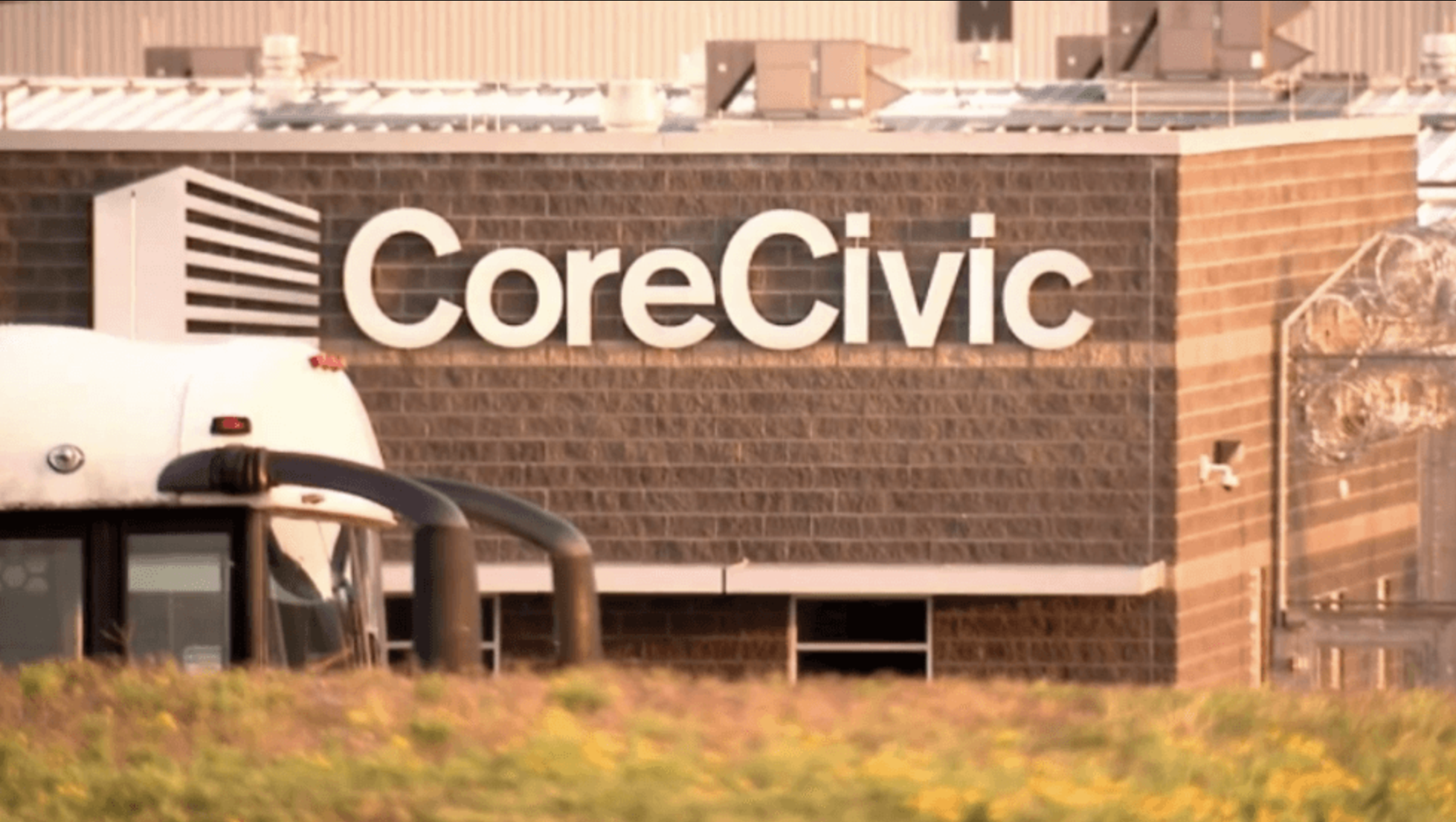
Community Anger and Corporate Controversy, Explained
1. Why It’s Bad for Mason
Erodes Community Values and Wellbeing:
The arrival of CoreCivic’s ICE detention facility abruptly changes the fabric of Mason, a small town of 1,300. Instead of economic development defined by dignity and opportunity, Mason is set to become home to an institution that profits from incarcerating vulnerable immigrants—many of whom face civil violations, not criminal charges. Locals have voiced at town meetings: “Are you telling me those are the jobs you want for your kids?”. Many do not want high-paying jobs at the expense of making their town synonymous with suffering and mass incarceration.
Profits Over People:
CoreCivic’s business model focuses on keeping beds filled and profit flowing. As a for-profit entity, every incentive leans toward cost-cutting and maximizing occupancy, often at the expense of proper medical care, mental health support, and safety. Mason’s economic hopes risk being tied to continued detention and deportation, not genuine community prosperity.
Local Democracy Undermined:
The process by which the ICE contract was approved was itself a source of outrage. According to the ACLU of Tennessee, Mason officials rushed the vote, kept information from the public, and may have violated local charter requirements for majority approval of contracts. This absence of transparency and genuine public debate erodes trust in local government—and sets a dangerous precedent.
Damaged Reputation and Social Strain:
Residents fear Mason will be seen as a “prison town,” echoing concerns that its legacy will be forever associated with a facility notorious for abuse and neglect. This stigma threatens to overshadow Mason’s identity, impact property values, and deter future investment from industries or families seeking a positive, healthy environment.
2. Why It’s Bad for Tennessee
More Abuses and Deaths:
CoreCivic’s facilities in Tennessee have faced a relentless wave of lawsuits, federal investigations, and damning reports about inmate deaths, violence, understaffing, and medical neglect. The state legislature recently passed laws penalizing private prisons for high mortality rates, after a series of horrific incidents—including the death of an inmate stabbed 60 times while guards failed to intervene. These abuses are not isolated; they are systemic, documented by hundreds of complaints in Tennessee alone.
Financial Risks Outstrip Rewards:
Although the Mason jail is projected to generate substantial tax and impact fees, this revenue must be weighed against the true costs: increased emergency, medical, and policing demands, infrastructure burdens, and the likelihood of future lawsuits and regulatory fines. As the town’s infrastructure is strained and social divides widen, Tennessee as a whole faces mounting bills—literal and figurative—resulting from CoreCivic’s operational failures.
Accelerates Unjust Immigration Enforcement:
By facilitating ICE’s detention operations, Tennessee sinks deeper into federal immigration policies criticized for their lack of due process and humanitarian failures. The surge in ICE arrests around Memphis is increasingly fueled by people who have not committed any crimes. Tennessee becomes complicit in a national system where people are detained for civil violations, often without timely access to lawyers or judges, and where for-profit companies lobby for tougher laws to keep facilities full.
Disproportionately Targets Communities of Color:
CoreCivic’s expansion amplifies Tennessee’s mass incarceration crisis, disproportionately impacting Black, Latino, and immigrant communities. Instead of investing in restorative justice, education, or job programs, the state deepens cycles of trauma and racial injustice.
3. Why People Are Rightly Angered by CoreCivic
Track Record of Abuse and Neglect:
The outrage over CoreCivic is warranted and well-documented. The company faces hundreds of lawsuits for inmate deaths, sexual assaults, denial of medical care, and gross understaffing. At Trousdale Turner Correctional Center, gang violence, extortion, and assaults have gone unaddressed. Inmates have been stabbed, raped, and killed, sometimes while staff failed to intervene or falsified reports. The company’s “custom” tolerates inmate-on-inmate violence and offers no meaningful recourse for victims.
Profit at the Expense of Human Rights:
CoreCivic’s model incentivizes cutting staff, reducing healthcare, and keeping more people behind bars. Reports highlighted that even nursing staff mischaracterized the timing of injuries and delayed emergency care for critical incidents. State fines have been levied—but the company continues to expand, signing new contracts precisely because it can promise “cost savings” for government partners.
Disrupts Small Towns, Fuels Fear:
Mason residents feel betrayed: their town’s recovery is being redefined by a prison whose primary financial goal is filling beds. Residents are concerned about the environment, safety, and the psychological impact on families and children. The fear of increased policing and potential ICE raids—as well as the community’s moral cost—has led to organized protests, with signs warning that prisons without due process recall the worst moments of history.
Secrecy and Lack of Accountability:
“Transparency was completely absent in Mason,” notes the ACLU. Town officials kept the final contract under wraps until the last minute. The rush to approval, including votes that may not have been legal, signals a dangerous willingness to sidestep democratic norms for corporate interests.
The Fight for Justice, Dignity, and True Prosperity
Mason and Tennessee stand at a crossroads. There’s a difference between economic revitalization and selling out community values. Bringing CoreCivic and its ICE detention center means trading short-term financial “growth” for long-term pain—risking more abuses, more lawsuits, and fractured civic life. For Mason, for Tennessee, and for everyone who believes in justice, accountability, and the inherent dignity of every person, the fight to keep CoreCivic’s brand of incarceration out of our communities has never been more urgent.
Get Involved
Memphis APRI News & Blogs

Standing Together for Voter Empowerment in 2025: The Fight for Fair Elections in Memphis
In 2025, the Memphis chapter of the A. Philip Randolph Institute (APRI) stands on the frontlines in the ongoing fight for fair and equal access to the ballot box. In a year marked by new challenges and fresh opportunities, Memphis APRI and its partners are championing...

Labor and Civil Rights: Honoring the Legacy of Memphis’ Sanitation Strike
The story of Memphis’s 1968 Sanitation Strike is a story of courage, unity, and transformation. As we look back more than half a century, we not only honor the bravery of the sanitation workers but also trace how their struggle continues to shape today’s battles for...