
Labor and Civil Rights: Honoring the Legacy of Memphis’ Sanitation Strike
The Spark: Deaths and Demands
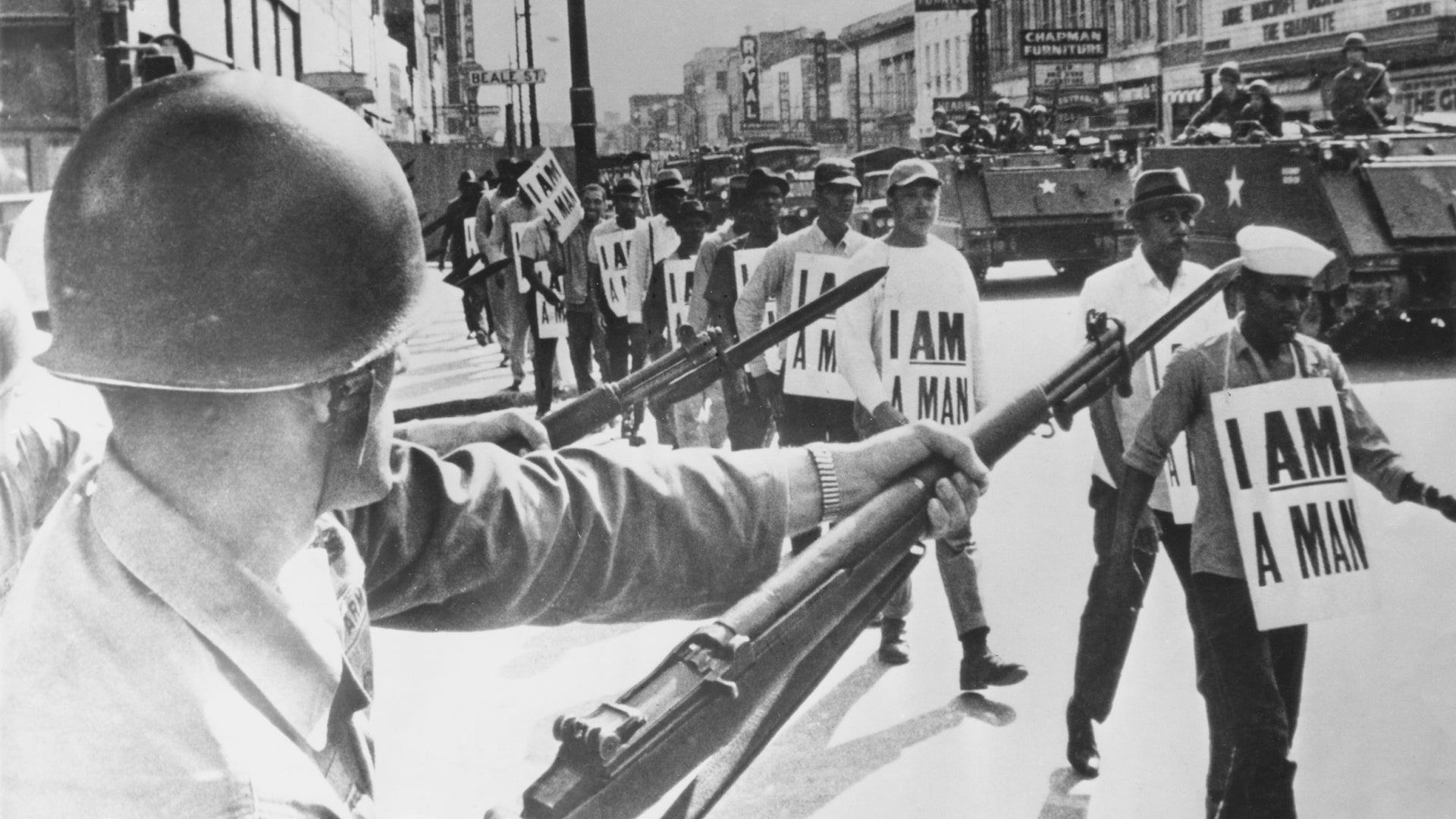
On February 12, 1968, a tragic event acted as the catalyst for change in Memphis. Two sanitation workers, Echol Cole and Robert Walker, were killed while seeking shelter from the rain in the back of their truck, a cruel consequence of the unsafe conditions imposed by the city. Their deaths ignited outrage among more than 1,300 Black sanitation laborers, who already faced hazardous work environments, discrimination in pay, denial of overtime, and a lack of respect from city administrators.
The workers, with AFSCME Local 1733 and the National Association for the Advancement of Colored People (NAACP), organized a strike to demand union recognition, fair wages, time-and-a-half for overtime, and basic safety protections. Their rallying cry—“I AM A MAN”—became a national symbol for dignity in the workplace and respect for every human life.
Headquarters of Hope: Clayborn Temple
In the heart of this historic movement was Clayborn Temple, the headquarters for the strike. Every morning, hundreds of striking workers gathered at the church, marching to City Hall with their iconic placards. Each evening, the sanctuary buzzed with speeches and songs. Support poured in from faith leaders, national unions, students, and activists, weaving together Memphis’s unique coalition of religious inspiration and working-class solidarity.
“I AM A MAN” Plaza: Where History Lives
Adjacent to Clayborn Temple, today’s “I AM A MAN Plaza” stands as a monument to the strikers’ resolve and the transformative power of collective action. The plaza’s centerpiece: a bold, bronze and stainless-steel sculpture, engraved with the names of the 1,300 sanitation workers. The site has become a place of reflection for the struggle against inequality and the legacy of Dr. Martin Luther King Jr., who famously came to Memphis to support the strike, delivering his “I’ve Been to the Mountaintop” speech just one day before his assassination.
Lessons for Today: Intergenerational Union Activism
The lessons of 1968 resonate in Memphis’s labor movement. Even today, union leaders, rank-and-file workers, and young organizers turn to the story of the sanitation strikers for inspiration. In the last decade, Black women organizers at the University of Memphis built a successful campaign for a $15 minimum wage, directly invoking the solidarity, boldness, and persistence of their forebears. Their coalition blended workplace organizing with a broader fight against privatization and poverty wages—proof that worker justice is inseparable from racial justice in Memphis.
Memphis APRI campaigns for fair pay, safe workplaces, and union rights stand on this foundation. Through educational workshops, legislative advocacy, and coalition-building, APRI builds on 1968’s spirit—uniting labor and civil rights in the fight for a city where all workers are treated with dignity and respect.
Honoring Veterans: Their Voices, Their Impact
The living veterans of the strike are central figures in Memphis’s civic landscape. Men like Baxter Leach, who marched for justice in 1968, have continued their advocacy, speaking at local schools, receiving honors from the city, and mentoring new activists. In 2017, the city awarded grants to these survivors, recognizing their sacrifice and finally addressing the long-term financial disparity the strikers endured. The National Civil Rights Museum’s annual commemorative events and Freedom Awards have brought their stories to new generations and solidified their place as icons of Memphis’s resilience.
Local Events: Keeping the Legacy Alive
Recent years have seen renewed attention to these sites and stories. Community events at the “I AM A MAN” Plaza and Clayborn Temple—educational tours, union rallies, youth workshops—draw diverse audiences and build new coalitions. The plaza serves both as a memorial and as a call to action, connecting Memphis’s past injustice to the present pursuit of equality.
Civil rights veterans and current union members join together to advocate for issues like living wage ordinances, public sector bargaining rights, and anti-discrimination policies. The memory of the sanitation strike is invoked in labor disputes across city departments and private sector struggles, reminding elected officials that Memphis’s spirit is rooted in solidarity across generations.
Reflecting Forward: The Legacy Lives
The legacy of the 1968 Sanitation Strike expands far beyond Memphis. It shifted national attitudes about the intersection of labor and civil rights, empowering worker-led movements for justice across America. As Dr. King reminded the crowd at Clayborn Temple, “All labor has dignity.”
Today, the struggle endures, mirrored in campaigns led by APRI and allied organizations to protect union organizing rights, safeguard safety standards, and demand respect for service workers. Each year, Memphis recommits to these values—honoring those who raised their voices in 1968 and inspiring those who fight for justice today.
What began as a demand for dignity has flourished into a movement for transformation, equity, and hope. As long as the story of the sanitation strike is told—at Clayborn Temple, on the steps of City Hall, and in every act of worker solidarity—Memphis’s legacy in the labor and civil rights struggle will continue to shape a better world.
Get Involved
Memphis APRI News & Blogs
Why the Reopening of CoreCivic’s Private Jail in Mason Is Bad for Mason, Tennessee, and the Nation
In August 2025, officials in Mason, Tennessee approved measures to reopen a long-vacant prison as an ICE detention center managed by CoreCivic, one of the nation’s largest for-profit prison operators. The decision, reaching far beyond debates about local economics,...

Standing Together for Voter Empowerment in 2025: The Fight for Fair Elections in Memphis
In 2025, the Memphis chapter of the A. Philip Randolph Institute (APRI) stands on the frontlines in the ongoing fight for fair and equal access to the ballot box. In a year marked by new challenges and fresh opportunities, Memphis APRI and its partners are championing...